



Key Takeaways
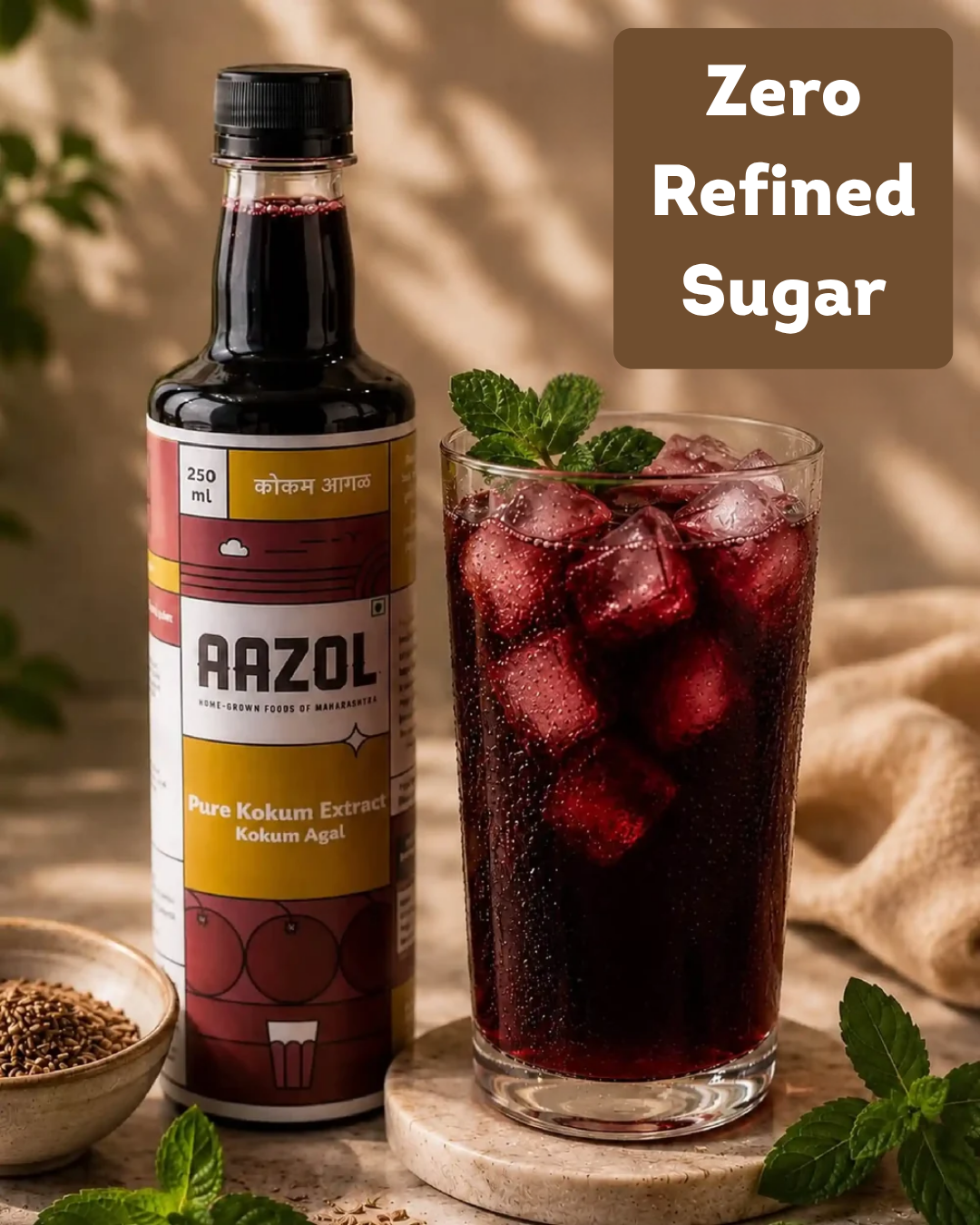
- Kokum extract is a concentrated form of kokum, traditionally prepared in coastal Indian homes for easy year-round use.
- Valued for digestion, cooling and balance, kokum extract delivers kokum’s functional benefits in a more convenient form.
- Once a quiet regional staple, Kokum Extract is now finding relevance in modern, mindful kitchens.
Introduction
Before lemon juice took over your fridge door and apple cider vinegar became a personality trait, Indian kitchens had kokum extract.
A deep red, gently sour concentrate made without machines, preservatives, or wellness buzzwords. No detox drama. No viral hype. Just a spoonful added to water or food to make heavy meals lighter and coastal summers bearable.
This is Kokum Extract — the OG sour your dadi trusted long before ‘gut health’ became content.
1. Kokum Extract: A Concentrated Form of an Indigenous Indian Fruit
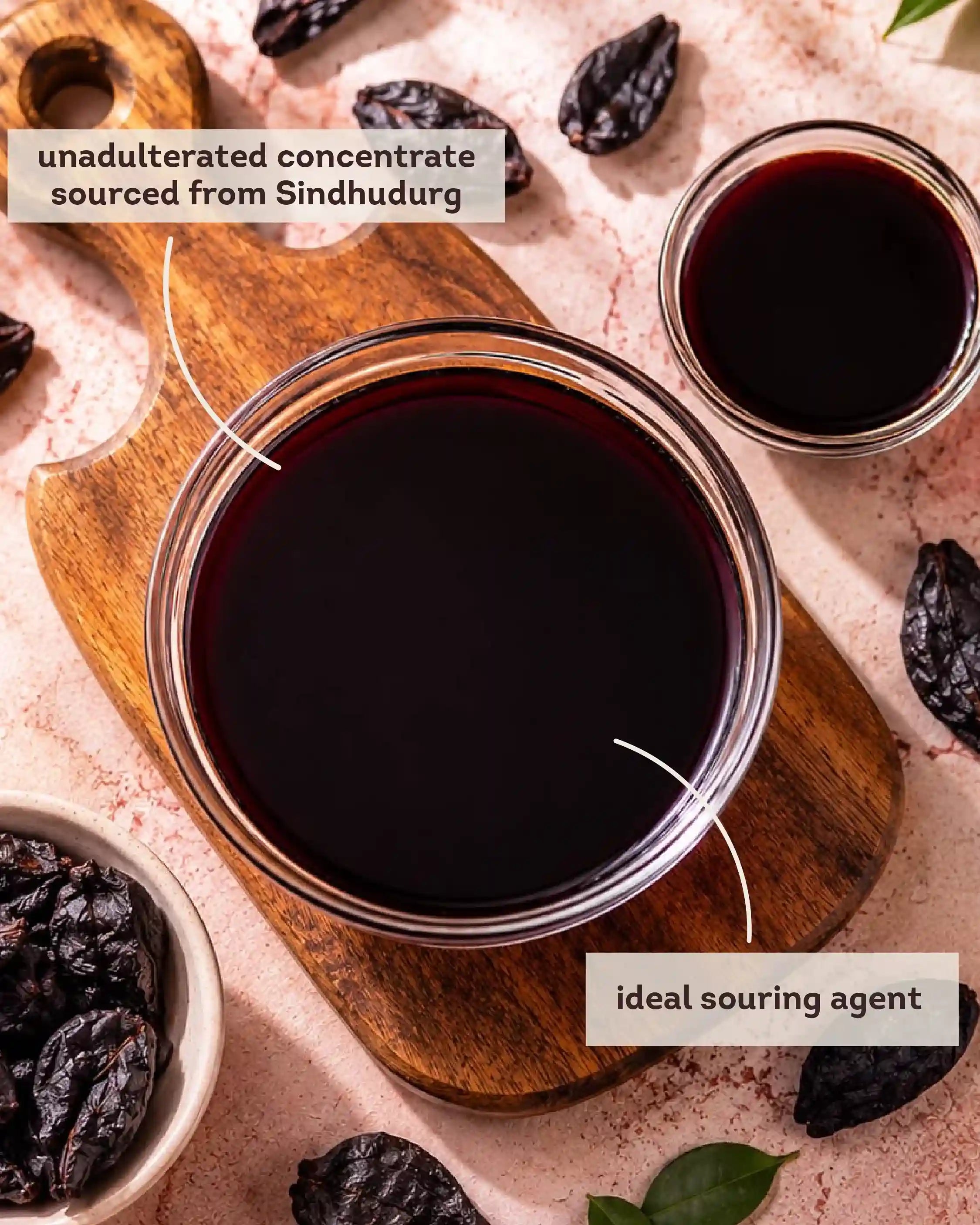
Kokum Extract is made from the rind of the kokum fruit, native to India’s western coastal belt along the Western Ghats. Traditionally, dried kokum was soaked, gently extracted and preserved as a liquid concentrate for everyday use.
Thriving in humid, tropical climates, kokum was never meant to travel far — which is why its extract became the practical solution. It allowed households to preserve kokum’s flavour and function long after the season ended.
For generations, Kokum Extract wasn’t branded or bottled for shelves. It was simply prepared at home and used intuitively — added to water, curries, or meals when the body needed balance.
Interlink: The Origins of Kokum Extract: How Coastal Kitchens Preserved Kokum for Year-Round Use

2. Why Kokum Extract Was Valued in Traditional Diets
In Indian food culture, ingredients were chosen not just for taste, but for how they made you feel. Kokum Extract became especially valuable because it was:
- Easy to consume regularly
- Gentle on digestion
- Cooling in hot climates
Instead of soaking kokum every time, families relied on extract as a ready solution — a few drops in water or food after heavy meals.
Much like ancient grains such as khapli wheat, Kokum Extract survived through usefulness, not trends. It delivered kokum’s benefits in a form that fit daily routines, making it functional, flavourful, and effortless.
Interlink: The Health Benefits of Kokum Extract: Why Traditional Wisdom Still Holds True
3. Kokum Extract’s Place in Today’s Kitchens
As people move toward cleaner labels and simpler food choices, Kokum Extract is being rediscovered through a modern lens. Its biggest advantage today? Convenience without compromise.
Kokum Extract is now used in:
- Quick digestive drinks and diluted coolers
- Everyday dals, curries and broths
- Homemade syrups, marinades and plant-based recipes
Its appeal lies in its simplicity — a single ingredient that adds sourness, balance and cultural depth without needing preparation or processing.
Interlink: How Kokum Extract Fits into Everyday Modern Cooking (Beyond Just Summer Drinks)
4. Kokum Extract vs Other Souring Agents (Why It’s Different)
Indian kitchens use many souring agents — tamarind, lemon, vinegar — but Kokum Extract stands apart.
Its acidity is softer and more rounded, meaning it enhances flavour without overpowering the dish. Unlike vinegar or citrus, Kokum Extract doesn’t leave a harsh aftertaste or sharp burn.
Traditionally, Kokum Extract was preferred for daily consumption because it balanced flavour and digestion — especially in warmer climates where aggressive acidity could feel heavy on the stomach.
5. How Kokum Extract Was Traditionally Prepared and Stored
Before bottled concentrates existed, Kokum Extract was made using slow, low-intervention methods. Dried kokum was soaked, gently pressed and stored as a liquid concentrate that lasted for months.
No preservatives. No refinement. Just technique and timing.
This method ensured Kokum Extract remained potent, flavourful and ready to use — proving that shelf life once depended on traditional wisdom, not technology.




Comments (0)
Your comment may be featured to help others on a similar journey